Hida Takayama Teddy Bear Eco Village – Takayama, Japan
This teddy bear couple is part of a 1,000-doll collection at the Japanese teddy bear museum. Officially named the Hida Takayama Teddy Bear Eco Village, the teddy bear museum is located in a…
 AkihabaraTokyo · Japan
The archive
Browse articles from atlasobscura.com in the Akihabara archive.
This teddy bear couple is part of a 1,000-doll collection at the Japanese teddy bear museum. Officially named the Hida Takayama Teddy Bear Eco Village, the teddy bear museum is located in a…
Straddled between the legs of the Tokyo Tower is the family-friendly entertainment zone known as “Foot Town.” On the third floor of this building sits the Tokyo Tower Wax Museum, home to the wor…
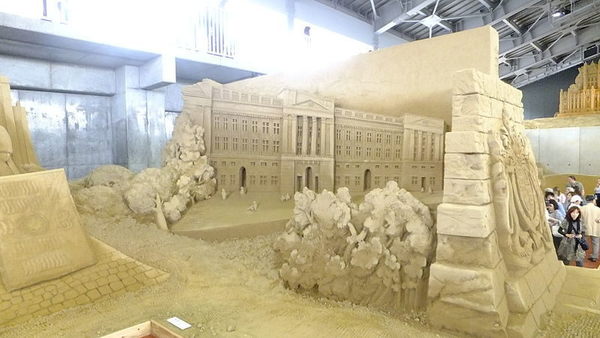
There are not many places in the world where giant sand sculptures last for three quarters of the year, and then only come down deliberately. The Sand Museum in Tottori, Japan, was the first.…
Every year for decades, scientists at the Hiroshima Prefectural Agriculture Gene Bank have planted a small patch of hattanso rice. Hiroshima’s rice fields are fecund with Hattanso’s descendants,…
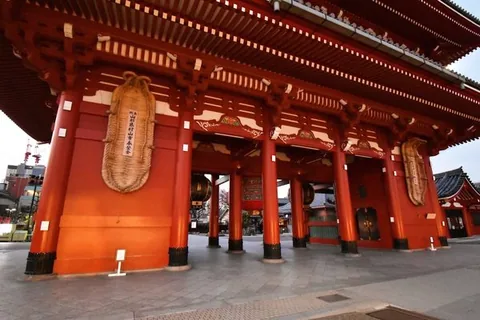
The sandals are a larger version of a type of sandal made from straw ropes. Senso-ji Temple’s giant ōwaraji were woven in the traditional way, and made by the town council of Tate’oka-…
Located in Aomori, at the Seiryuji (Blue-Green Dragon) Temple is a colossal likeness of Dainichi Nyorai completed in 1984. This particular Buddha, known primarily as Vairocana in the sanskr…
In Japan ‘Love Hotels’ are a lot like roadside motels, designed with the express purpose of facilitating ‘relations’ between Japanese couples who still live at home, and have no access to a bedroom a…
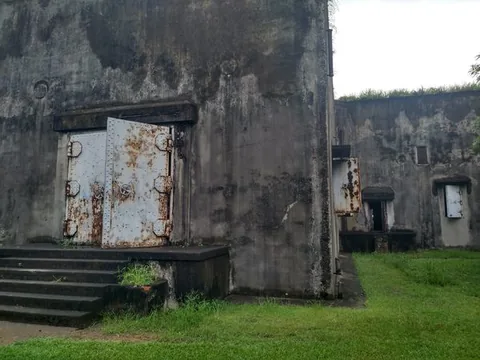
It was initially built by the Japanese Navy between 1917 and 1919 as one of three large-scale wireless telecommunication centers in the Pacific. It remained under Japanese control until the…
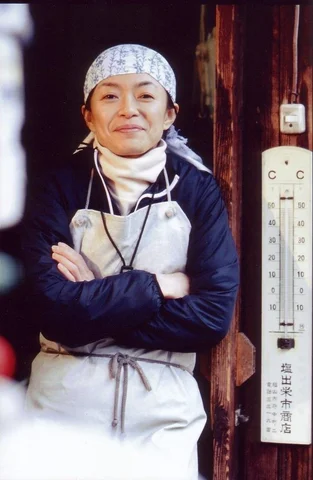
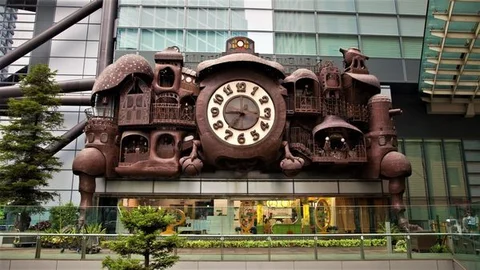
Officially called the “NI-Tele Really BIG Clock,” four or five times a day this wacked-out symphonic mega-machine spins, dances, whirs and clanks. The giant clock is in the Shiodo…
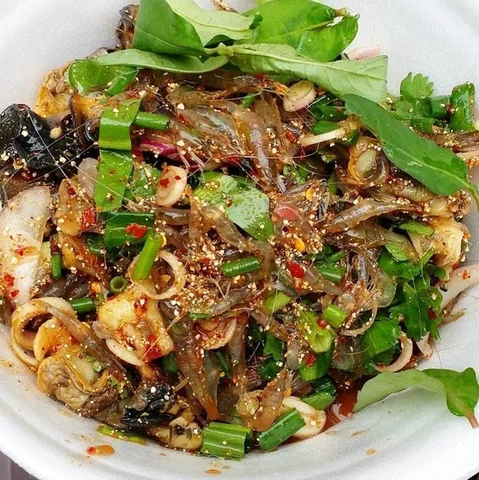
Street vendors sometimes take the uncooked element one step further, selling a dish known as “dancing shrimp” (goong ten) from double-basket carts. On the other, a heap of small, translucen…