
Akihabara · Japan
Ensemble Stars Stage Costumes in Shibuya: Which Dates to Choose
Choose the right dates for the Ensemble Stars stage-costume exhibition in Shibuya, November 28–December 27, 2026, with ticket advice and Japanese perspectives on the clothes.
The Ensemble Stars stage-costume exhibition runs November 28–December 27, 2026 at Tokyo Anime Center in Shibuya MODI. Choose your date by idol group: the clothes change halfway through, and the exhibition closes December 11 for the changeover. This guide helps you match a visit to the group you want to see, then suggests ways to look at a costume beyond recognising its character. Official exhibition
Which dates include my favourite group?
The twelve groups, called units in Ensemble Stars, are divided between two periods. Venue’s display schedule
| Visit dates in 2026 | Units with costumes on display |
|---|---|
| November 28–December 10 | Trickstar, Ryuseitai (流星隊), Ra*bits, Valkyrie, MaM, Eden |
| December 12–27 | fine, Akatsuki (紅月), UNDEAD, Knights, 2wink, Switch |
A visit in the first period will not cover the second selection. If you are travelling specifically for Knights or Trickstar, choose the period before selecting a ticket time.
Tickets, hours and finding the venue
Admission: ¥2,000 in advance, with a reserved date and time. Day tickets cost ¥2,200 and are sold at the venue only if capacity remains. Prices include tax. Advance sales close at 22:00 JST the previous day; arrive ten minutes before your ticket time. Hours: 11:00–19:00 JST, last exhibition entry 18:30. Official admission rules
At the November 20 check, Lawson Ticket listed all three sales blocks as on sale: November 28–December 10, December 12–18 and December 19–27. Select your actual date and time to check availability. We have not tested overseas checkout. Lawson Ticket
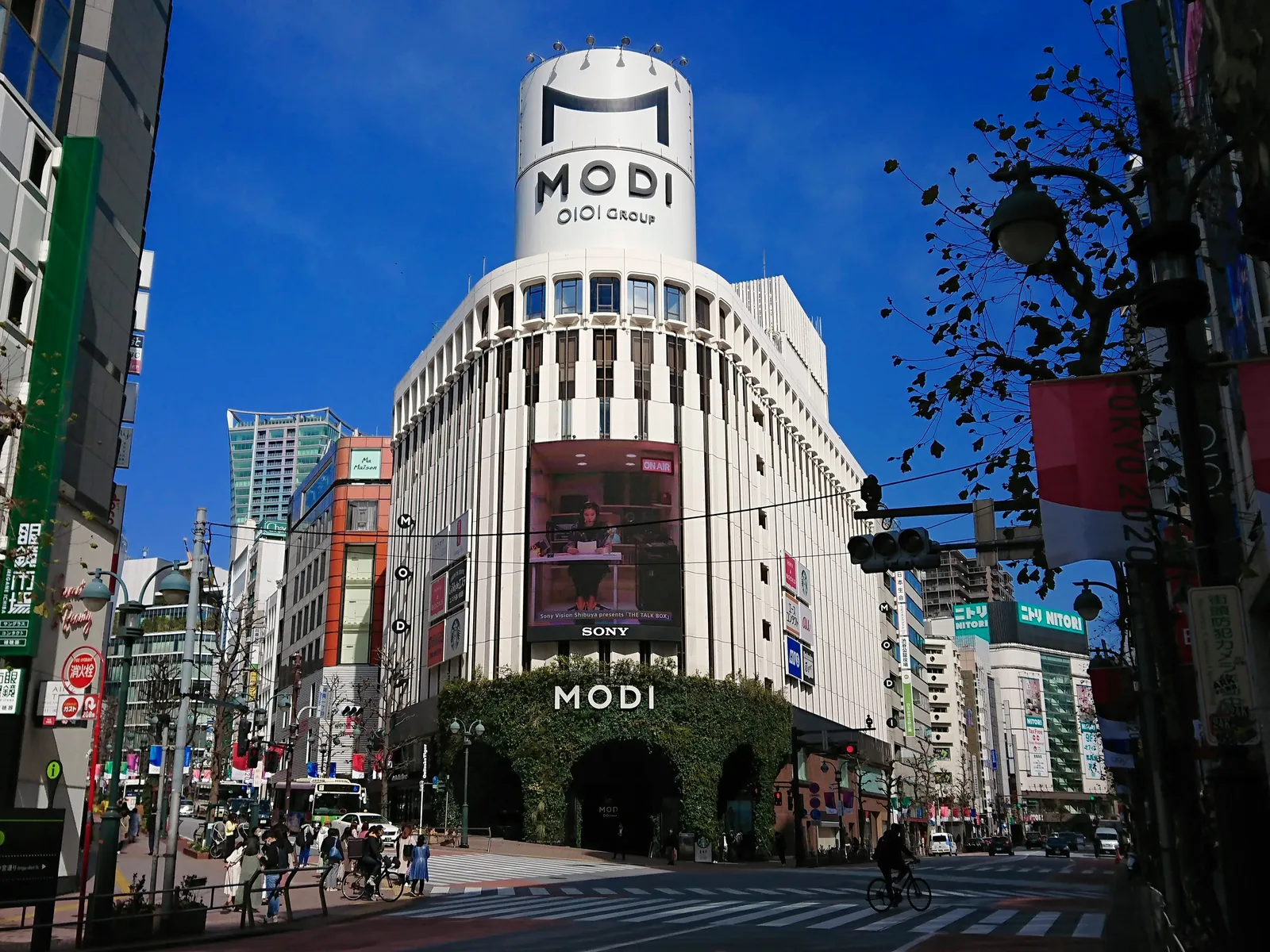
Address: Tokyo Anime Center IN DNP PLAZA, Shibuya MODI 2F, 1-21-3 Jinnan, Shibuya-ku, Tokyo. Search for Shibuya MODI and head to the second floor. Official stage announcement and address, Shibuya MODI access page
Leave suitcases elsewhere. Follow each display’s photography notices; some exhibits cannot be photographed, and touching the clothes is prohibited. Venue precautions
What are these costumes from?
Ensemble Stars began as a mobile game about fictional male idols. Its stage adaptation, often shortened to Anste (あんステ), began in 2016 and includes story productions and live performances. Actors give the game’s characters voices, bodies and movement on stage. Our introduction to 2.5D theatre explains this wider adaptation culture. Official stage-series introduction
This exhibition centres on clothes worn in the August 2026 10th Anniversary LIVE. The organizers also plan props and production materials. Think of the clothing as part of a performance: it has to make a character readable while someone wears and moves in it. Venue introduction, stage announcement
An actor’s familiarity, a viewer’s delight in movement
In an October 2022 SPICE interview by Hiromi Matsumoto, Riki Tanimizu, who plays Mao Isara, described the unit costume as the outfit he had worn most often. Wearing it repeatedly made it feel familiar. He recalled a belt breaking after six years of use; when a replacement was to be made, they were allowed to take the broken one home. His attachment gives a small fastening a history that a distant audience might never notice. SPICE interview, republished by Livedoor
Theatre-goer Ako (あこ) noticed something different in her November 2025 account of Blessing Moment. A Valkyrie fan, she delighted in the sweep of the costumes’ fabric, their layered drapery and choreography that brought out suppleness. Her word hirami (ひらみ) describes that pleasure in fabric flaring with movement. Ako’s firsthand account
These accounts concern earlier productions. They offer ways to think about stage clothes; they do not identify which earlier garments will appear in the 2026 exhibition.
Three things to look for
Start with the silhouette. From a few steps away, what shape makes a costume legible as part of a group? Move closer and compare the details that distinguish one member. You can try this even if you are new to the characters.
Then look at layers and attachment points. A belt, jacket edge or overlapping panel can direct your eye through the outfit. Tanimizu’s account suggests asking what repeated wear might mean to a performer, without assuming that a displayed item has the same history as his.
Finally, imagine movement. Which parts seem likely to stay close to the body, and which could swing outward during a turn? Ako’s description is a useful starting question. Your own inference from a stationary display is still an inference; the garment’s actual behaviour depends on its material and construction.
Sources and checked date
Exhibition and ticket information checked November 20, 2026. Recheck the official notices before travelling.
- Tokyo Anime Center and the official stage announcement supply the programme, location and admission conditions.
- Lawson Ticket supplies the current sales-block listing; individual slots may differ.
- Matsumoto’s SPICE interview and Ako’s note informed the historical perspectives, paraphrased from Japanese. They are separate accounts, not a survey of audience opinion.
- The historical building photograph is credited and licensed in its caption. It does not document this exhibition.