Akihabara · Japan
SANUKI X GAME 2026 in Takamatsu Shopping Streets
SANUKI X GAME brings games into Takamatsu’s shopping streets on November 15, 2026. Explore the programme, shop hours and Japanese exhibitors’ perspectives.
SANUKI X GAME 2026 takes place in central Takamatsu, Kagawa, on Sunday, November 15, from 11:00 to 16:00 JST. The game festival uses shopping streets and participating shops as places to play, meet creators and try unfamiliar forms of games. General admission is free; some activities have separate charges. Official event site
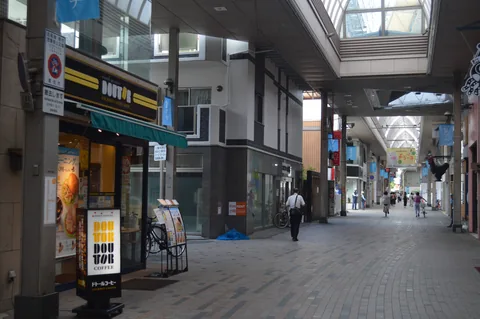
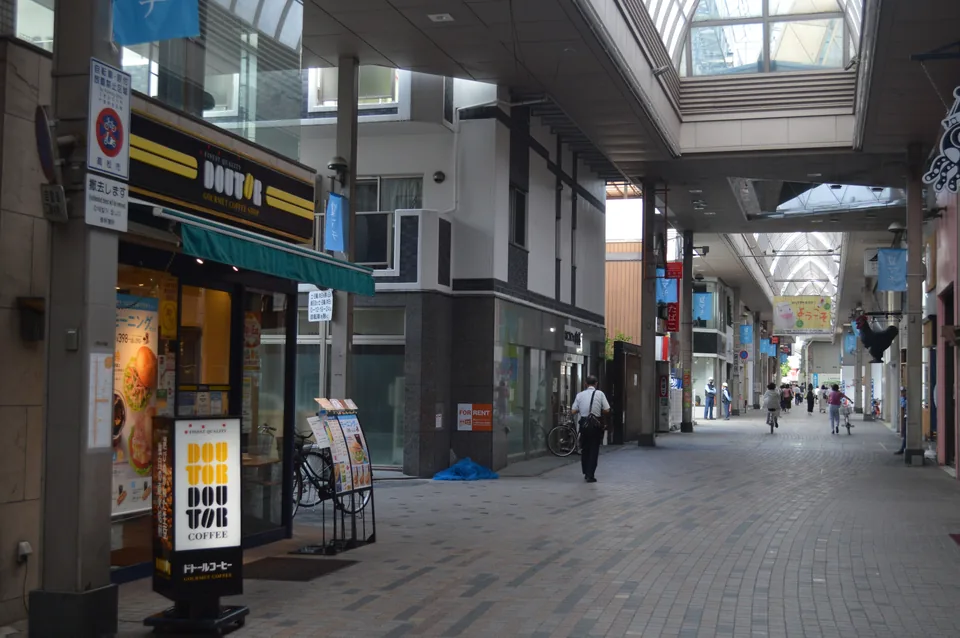
The setting is part of the attraction. A shōtengai is a shopping street: somewhere people go about ordinary errands. At this festival, browsing a game can become another stop along that street. For visitors curious about Japanese independent games, that offers a different kind of encounter with a work and its maker.
Quick answers for November 15
Where is it? The announced area covers Minamishinmachi, Tamachi and Tokiwacho shopping streets, plus 4-chō Patio, in Takamatsu. Use the organizer’s current site and exhibitor catalogue to choose stops; this is an event spread across an area rather than one exhibition-hall address.
Is everything free? General admission is free, according to the 2026 event poster. Individual activities can charge: the catalogue lists a ¥400 Mölkky challenge, for example. Check a booth’s terms before joining, and budget separately for purchases.
Do all shops follow the main hours? No. Lunuganga bookshop lists its festival session as 13:00–16:00, shorter than the main 11:00–16:00 period. Its address is 11–13 Kameichō, Takamatsu. Lunuganga’s event details
Is this only a video-game event? The current programme includes original digital games, analog games, workshops and physical play. The examples below show how broadly the festival interprets a game.
Can I play without Japanese? Language needs depend on the game and its explanation. Check with a chosen exhibitor if English support is essential. A short action game, a conversation around a table and a text-heavy story each ask different things of a visitor.
What to look for in the 2026 programme
Playing around a kotatsu
Developer Xeen announces three original analog games at a kotatsu booth. A kotatsu is a low table with a quilt, a familiar Japanese setting for sitting together. Here, the table becomes a place for trying games face to face.
The selection includes ボムボムドカン, a bomb-passing card game for three to five players; ダイスアウト (Diceout), a two-player board game in which moving a die changes the face showing; and ハイローウエスタン, a High & Low card game for two to four players using identical starting hands. Xeen says these are demonstration copies, with no sales at the booth. Its plans may change. Xeen’s October 30 announcement
That distinction is useful when deciding how to approach the table: you are there to learn a game and try it with other people. Ask for a demonstration before assuming you need to understand a full written ruleset.
Everyday skills turned into play
The current catalogue includes Fukumoto Bunshodo’s stamp game and workshop, involving the skill of placing a stamp straight and cleanly. Bonsai group Kamingu advertises a matching game using similar-looking bonsai. Students at Osaka Electro-Communication University plan to show games they have made.
These are useful starting points for browsing beyond a favourite genre. What makes an ordinary task difficult when it becomes a challenge? What does a game make you notice about an object? A festival visit can follow those questions as readily as a list of releases.
Japanese perspectives on the shopping street setting
The organizer’s aims and exhibitors’ experiences illuminate different parts of the format. The two exhibitor accounts below concern the 2025 edition; their venues and games are not a promise of the 2026 layout.
A festival built around new encounters
In an October 29, 2026 introduction, organizer PR writer ユウタ (Yuta) describes a volunteer team of students, working people, creators and game fans, including people helping remotely. The event began in 2021. Yuta presents encounters between people who would not ordinarily meet as a central purpose of the festival.
That is the organizer’s ambition. A useful way to explore it as a visitor is to notice who explains a game, who stops to watch and how the surroundings affect the conversation.
Games beside books and flowers
In its November 24, 2025 participant report, iGi indie Game incubator describes exhibiting along the arcade, in a bookshop gallery and beside a flower shop’s register. The writer particularly notices the quieter setting for text-oriented games upstairs, compared with the activity outside.
The appeal in that account lies in the relationship between a game and its surroundings. It suggests a reason to try both kinds of stop: a game found in the flow of the street, and another that asks you to enter a smaller room.
An upstairs booth also needs to be found
Developer ろごす, writing about a 2025 bookshop booth, describes an initially quiet period followed by more visitors later. The writer suspects the longer route upstairs made the booth easier to miss and reflects on presenting a text-heavy game to an audience that included families. November 22 account
The practical lesson is to look for less visible stops as well as the tables directly in front of you. A pleasant setting and easy discovery are separate things. These individual exhibitor accounts do not establish a typical experience for every booth.
Planning a visit across shops and arcades
Choose a few games from the current catalogue, then check their individual locations and hours before setting off. Put Lunuganga’s later session in the afternoon if it is one of your stops. Allow time to learn rules or finish a short demonstration rather than treating every table as a display to glance at.
Inside participating shops, leave room for their ordinary customers and follow the staff’s arrangements. Ask before photographing people, screens or work in progress. If stairs, seating or language support will determine whether you can take part, check that particular venue or exhibitor rather than assuming one arrangement applies across the festival.
For another approach to discovering independent creators, our doujin-music guide explores the meeting between makers and listeners. Here, the corresponding opportunity is to play something unfamiliar and ask its creator what they want you to notice.
Sources and checked date
2026 dates, admission, selected programme and Lunuganga hours checked November 4, 2026, against the organizer, its catalogue, Xeen and the bookshop. Recheck their notices before travelling. This is a preview; we have not attended.
Japanese perspectives are attributed and dated above. The translations and summaries were prepared with AI assistance and checked against the original wording. The developer account includes explicitly reconstructed fictional dialogue; that dialogue is not used as visitor testimony here.
The historical photograph and its 480px, 960px, thumbnail and social-card variants are credited to Asturio Cantabrio, from Wikimedia Commons, and distributed under CC BY-SA 4.0. The photograph is resized and compressed; the social card adds margins and a credit strip. It shows the arcade in August 2021, not this year’s event or its current booth positions.